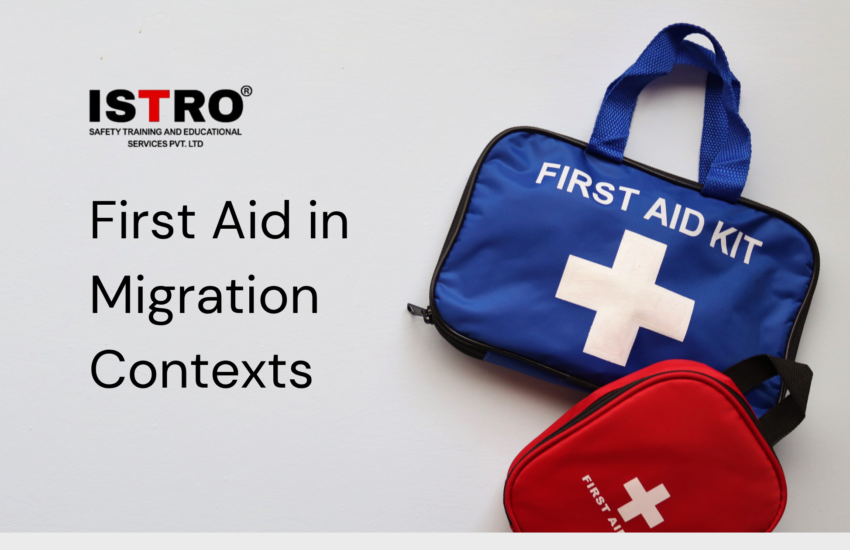
First Aid in Migration Contexts: Every Action
Introduction
Every year, World First Aid Day is observed on the second Saturday of September to highlight the importance of first aid knowledge and empower individuals with life-saving skills. In 2026, the theme is “First Aid in Migration Contexts,” emphasizing the need to make emergency care accessible to migrants, refugees, displaced communities, and vulnerable populations worldwide.
At ISTRO (Institute of Skills Training & Research Organization), we believe that first aid is not just a healthcare skill. It is a critical life skill that enhances workplace safety, emergency preparedness, and community resilience. Whether in industrial settings, construction sites, educational institutions, or humanitarian environments, prompt first aid can save lives and reduce the impact of injuries and medical emergencies.
Understanding the 2026 Theme
Millions of people around the world migrate due to employment opportunities, natural disasters, conflicts, climate change, or economic challenges. During migration, people may face accidents, illness, injuries, dehydration, heat stress, and other health emergencies while having limited access to medical facilities.
The 2026 World First Aid Day theme highlights the importance of:
- Making first aid training accessible to everyone
- Building safer communities for migrants and displaced populations
- Creating emergency-ready workplaces and public spaces
- Promoting humanitarian support through first aid education
- Encouraging inclusivity and dignity during emergencies
First aid is often the first line of response before professional healthcare arrives. In critical situations, timely action can mean the difference between life and death.
Why First Aid Training is Essential
First aid skills play an important role in both personal and professional environments.
Benefits of First Aid Knowledge
✅ Saves lives during emergencies
✅ Prevents injuries from worsening
✅ Supports faster recovery
✅ Improves confidence during crisis situations
✅ Reduces workplace accidents and risks
✅ Enhances community resilience and preparedness
For industries, manufacturing units, construction sites, warehouses, and educational institutions, trained first aid responders contribute significantly to health and safety compliance.
Essential First Aid Skills Everyone Should Learn
1. CPR (Cardiopulmonary Resuscitation)
CPR helps maintain blood circulation and oxygen flow when a person’s heart stops beating and can significantly improve survival chances.
2. Bleeding Control
Applying direct pressure and proper wound care can prevent excessive blood loss and complications.
3. Choking First Aid
Quick action during choking emergencies can restore breathing and save lives within minutes.
4. Burn Management
Immediate cooling and appropriate first aid can reduce tissue damage and improve recovery outcomes.
5. Fracture and Sprain Care
Correct immobilization techniques help prevent further injury until medical assistance is available.
6. Heat Stress and Dehydration Response
Particularly important in industrial and outdoor work environments, recognizing symptoms early can prevent severe medical conditions.
First Aid in Workplaces and Industrial Environments
Workplace safety remains a priority across industries. Many accidents occur in factories, construction projects, warehouses, laboratories, and field operations where immediate medical assistance may not always be available.
Organizations can improve emergency readiness by:
- Conducting certified first aid training programs
- Maintaining well-equipped first aid kits
- Training safety officers and emergency response teams
- Organizing mock drills and emergency exercises
- Promoting a strong safety culture
At ISTRO, workplace safety training aims to equip employees with practical skills required to respond effectively during emergencies.
Building First Aid Ready Communities
Communities become safer when more people are trained to respond during emergencies.
Educational institutions, industries, NGOs, and public organizations can contribute by:
- Conducting awareness programs
- Providing first aid and CPR training
- Training volunteers and staff members
- Creating emergency response plans
- Encouraging health and safety education
When individuals possess first aid knowledge, communities become stronger, safer, and more resilient.
How You Can Participate in World First Aid Day 2026
You can support this important initiative by:
- Learning basic first aid skills
- Attending certified first aid and CPR training programs
- Checking and updating your first aid kits
- Teaching emergency response skills to family members
- Organizing awareness sessions at your workplace
- Sharing safety messages on social media
- Participating in community health and safety initiatives
Even a few minutes of training can prepare someone to save a life during a critical emergency.
ISTRO’s Commitment to Safety and Skill Development
As a leading training and skill development organization, ISTRO is committed to promoting workplace safety, emergency preparedness, and life-saving first aid skills through professional training programs.
By empowering individuals, employees, students, and organizations with practical first aid knowledge, we help create safer workplaces and stronger communities capable of responding effectively in times of need.
Conclusion
World First Aid Day 2026 reminds us that first aid is a universal skill that everyone should learn. The theme “First Aid in Migration Contexts” highlights the importance of making life-saving knowledge accessible to all people, regardless of their situation or location.
By investing in first aid education, workplace safety training, and emergency preparedness, we can build a future where every individual is ready to act when it matters most.
Remember:
The first responder in an emergency is often an ordinary person. With proper first aid training, that person can become a lifesaver.
Happy World First Aid Day 2026!
