Who Should Enroll in a BSS Safety
Every week, someone asks a version of the same question: “Is this course even for me?” Maybe they just finished college and don’t know where to start. Maybe they’ve been working on-site for years and are tired of watching less-experienced people get promoted past them. Either way, the honest answer is: BSS is for a lot more people than most assume.
If you’ve been going back and forth on whether a BSS Safety Course actually makes sense for your situation, this should clear it up.
What a BSS Safety Course Actually Covers
Before figuring out who it’s for, it helps to know what you’re signing up for.
The Basics
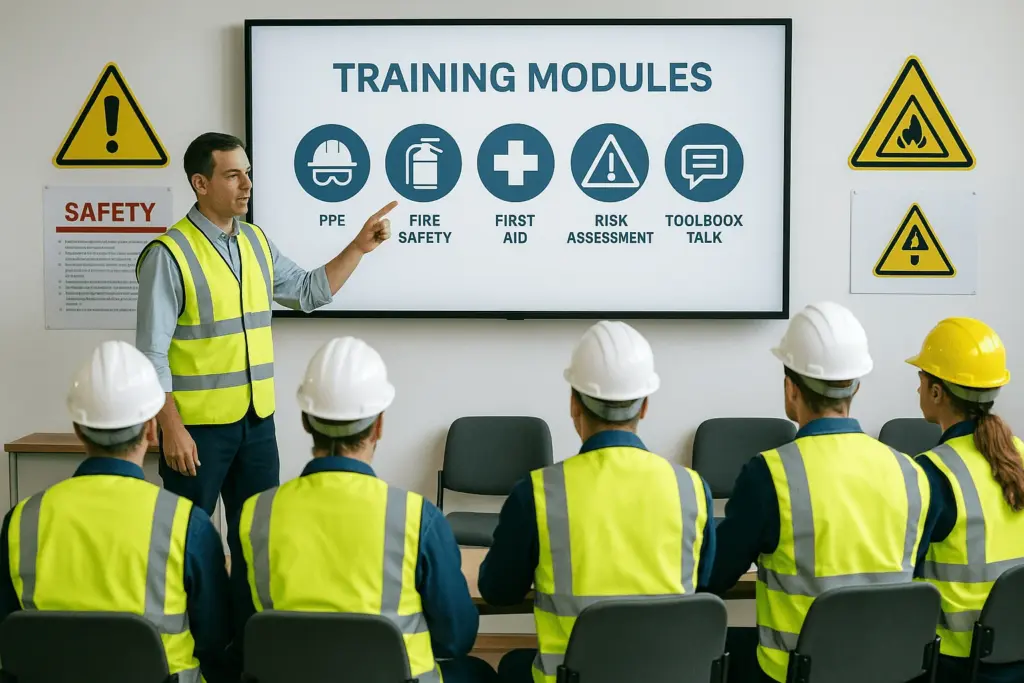
BSS — Basic Safety Supervisor training — covers hazard identification, safe work practices, incident reporting, and the fundamentals of running a safe site or shop floor. It’s practical, not just theoretical, which is exactly why it appeals to such a wide range of people.
Who Typically Runs These Programs
Most institutes structure BSS around real workplace scenarios, so the course tends to work whether you’re coming in with zero industry background or a decade of hands-on experience.
Freshers: Why BSS Might Be Your Best First Move
If You Just Finished School or College
Safety isn’t the career path everyone thinks of first, but that’s actually the opportunity. Manufacturing, construction, and industrial sectors are always hiring safety personnel, and a BSS certificate gives freshers something a lot of degree-holders don’t have: a job-ready, practical skill.
If You’re Unsure What Career to Pick
Not everyone graduates knowing exactly what they want to do. BSS is a low-risk way to step into a stable, in-demand field without needing years of prior experience or a specialized engineering degree.
If You Want Faster Job Entry Than a Long Degree Program
Compared to a multi-year diploma, BSS is short, focused, and gets you into an entry-level safety role much faster — which matters if you need to start earning sooner rather than later.
Working Professionals: Why It’s Worth the Upskilling
If You’re Already on the Floor but Not Certified
A lot of people working in factories or construction sites for years never got formal safety certification — they learned on the job. BSS turns that experience into something official, which matters a lot when it’s time for a promotion or a better-paying role elsewhere.
If You Want to Move Into a Supervisory Role
Companies don’t usually hand supervisor titles to people without safety credentials, no matter how experienced they are. BSS is often the missing piece between “experienced worker” and “safety supervisor.”
If You’re Considering a Career Switch
Engineers, technicians, even people from unrelated fields sometimes move into safety roles because the demand is steady and the work doesn’t dry up — factories and construction sites need safety oversight regardless of the economy. BSS is a practical entry point for that switch.
Who Should Think Twice Before Enrolling
If You’re Looking for a Desk-Only Role
BSS leads to roles that involve real site presence — walking floors, inspecting equipment, talking to workers. If you specifically want a fully office-based job, this might not be the right fit.
If You Haven’t Checked the Physical Demands
Some safety roles do involve site visits, standing for long periods, or working in industrial environments. Worth confirming this matches what you’re looking for before committing.
What Happens After You’re Certified
Entry-Level Opportunities for Freshers
Once certified, freshers typically start looking at roles like safety officer trainee, junior safety supervisor, or site safety assistant — positions that value the certification over years of unrelated experience.
Promotion Potential for Existing Workers
For people already working in a plant or site, BSS certification is often what unlocks the jump to supervisor or safety coordinator roles — positions that come with better pay and more responsibility.
The Bottom Line
BSS isn’t a niche course for a narrow group of people — it works for fresh graduates trying to get a foot in the door, and it works just as well for experienced workers trying to get the recognition (and pay) their experience should already be earning them. If you fall into either category, it’s worth a serious look.
Curious if BSS is the right fit for your specific background? Reach out to our team and we’ll walk you through eligibility, course structure, and what your career path could look like after certification.
