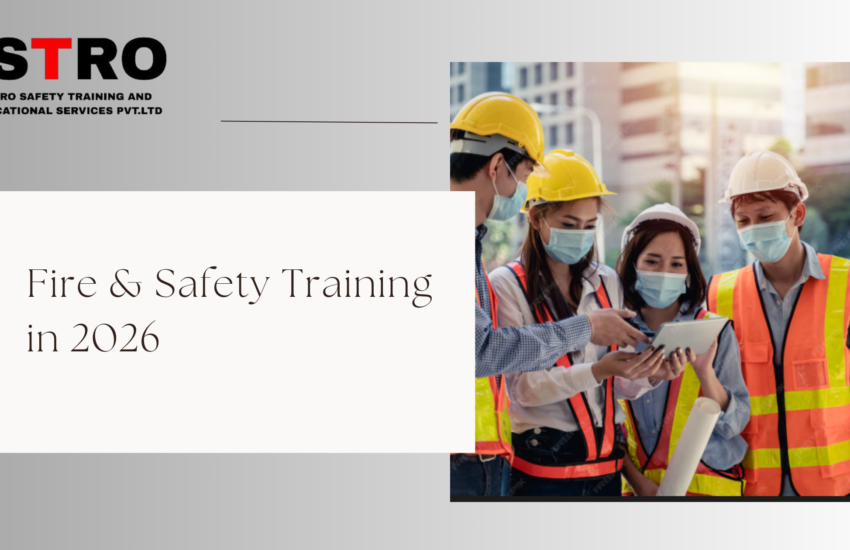
Fire & Safety Training in 2026 |
Introduction
As industries grow and workplaces become more complex, the importance of professional fire and safety training has never been higher. In 2026, organisations are prioritising skill-based safety education to reduce accidents, meet compliance requirements, and foster a strong safety culture. Institutes like ISTRO play a vital role in preparing individuals with practical, job-ready safety skills needed in real-world environments.
Rising Demand for Certified Fire & Safety Professionals
With increasing industrialization, construction activities, and infrastructure projects, the demand for trained safety professionals is growing rapidly. Employers now prefer candidates who possess practical fire safety, industrial safety, and EHS knowledge, along with recognized certifications.
Why Practical Safety Training Is the New Standard
Modern safety education goes beyond theory. Hands-on training, mock drills, live demonstrations, and scenario-based learning are now essential components of effective safety programmes.
At ISTRO, learners gain exposure to:
- Fire prevention and firefighting techniques
- Hazard identification and risk assessment
- Emergency response and evacuation procedures
- Workplace safety compliance practices
This practical approach ensures learners are job-ready from day one.
Fire & Safety Combo Courses: A Smarter Career Choice
One of the biggest trends in safety education is the rise of combo courses that integrate fire safety, industrial safety, and EHS training into a single programme. These courses provide broader knowledge, improve employability, and open doors to multiple safety roles across industries.
Combo courses are ideal for:
- Students and freshers
- Working professionals
- Site supervisors and safety assistants
Compliance, Standards & Safety Leadership
In 2026, companies are under stricter pressure to comply with national and international safety standards. Proper training helps organizations reduce legal risks while empowering individuals to take leadership roles in workplace safety.
ISTRO’s programmes emphasize:
- Regulatory awareness
- Industry best practices
- Proactive safety leadership
- Confidence in emergency handling
Career Opportunities After Fire & Safety Training
Completing a professional safety course can lead to roles such as:
- Safety Officer
- Fire Safety Supervisor
- HSE Executive
- Industrial Safety Supervisor
- Site Safety Coordinator
These roles are in demand across manufacturing, construction, oil & gas, infrastructure, and corporate sectors.
Why Choose ISTRO for Safety Training
ISTRO focuses on industry-aligned curriculum, expert-led instruction, and hands-on learning to ensure learners gain practical skills, confidence, and a strong safety mindset. The goal is not just certification, but creating responsible safety professionals who make a real impact.
Conclusion
Fire and safety training in 2026 is about skills, preparedness, and real-world application. With the right training and guidance, individuals can build rewarding careers while contributing to safer workplaces and communities. Institutes like ISTRO continue to bridge the gap between education and industry by delivering practical, career-focused safety programmes.
